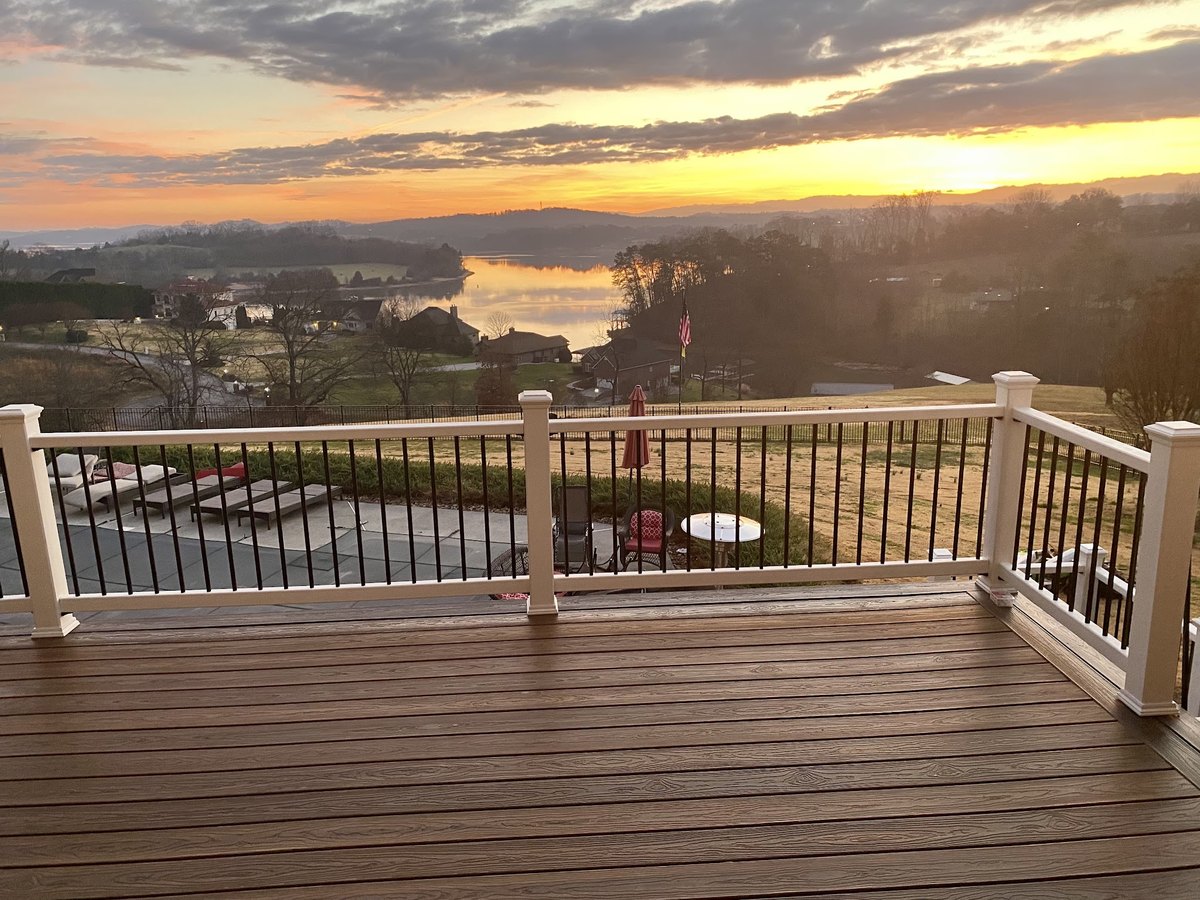
Deck framing
The frame supports your deck boards and everything you put on them. We offer several framing materials.
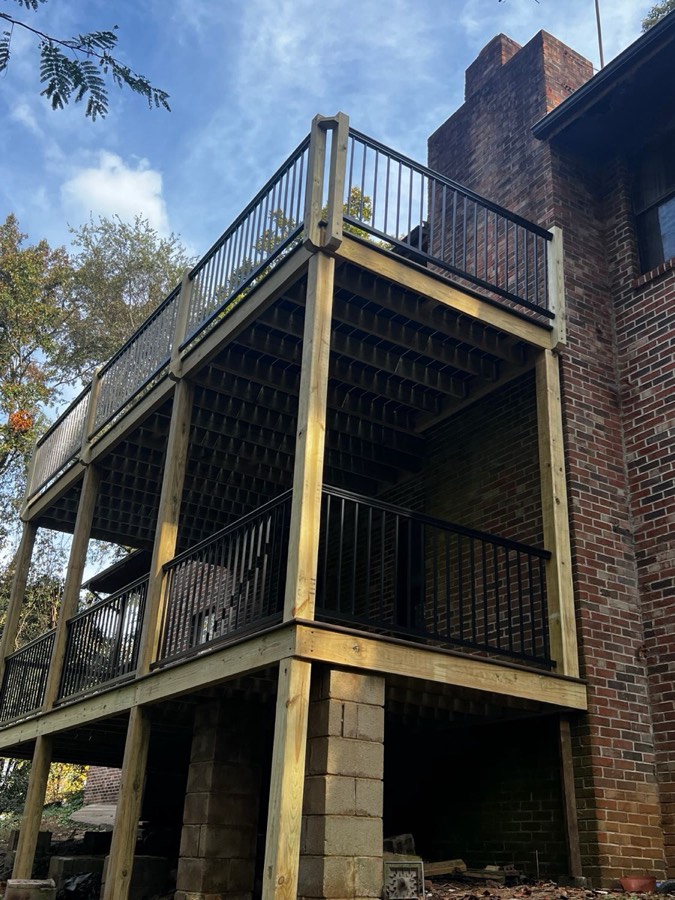
Pressure-treated lumber
$An affordable wood frame.
Best for Keeping the upfront cost of your frame down.
Benefits
- Affordable and widely available
- Can be repaired or changed later
- Joist tape helps protect the wood
Keep in mind
- Can warp, twist or cup as the wood dries
- Can rot where water collects
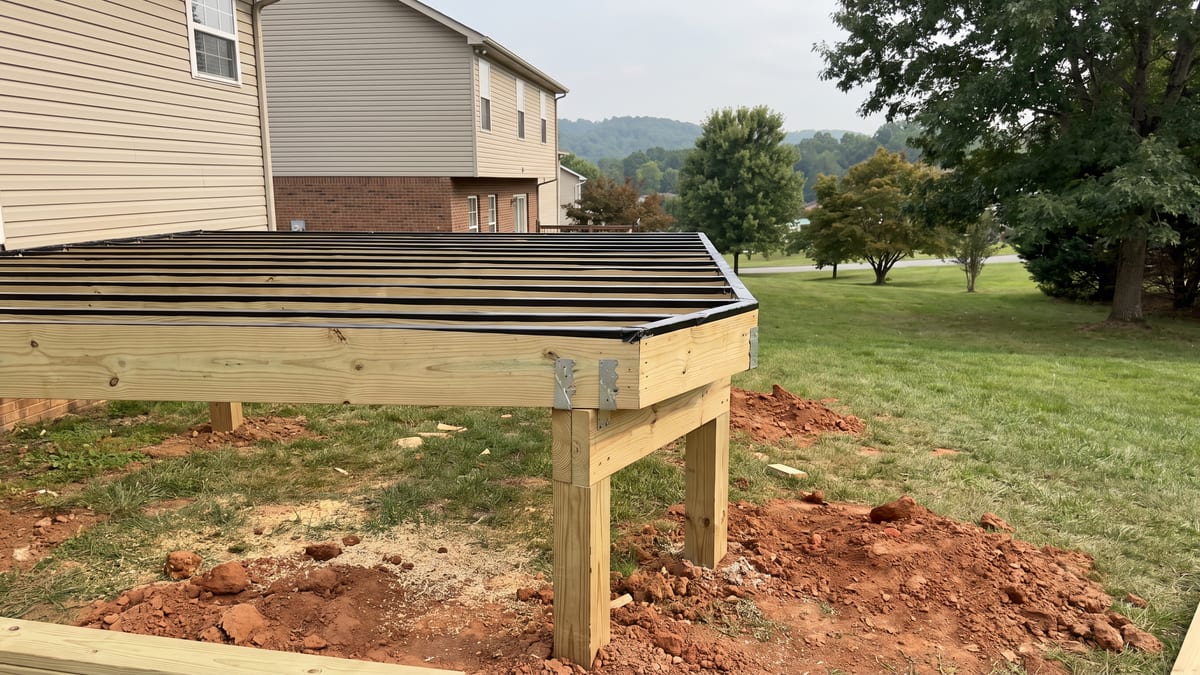
Kiln-dried after treatment (KDAT)
$$Treated lumber dried in a kiln after treatment.
Best for A treated wood frame that starts drier.
Benefits
- Starts drier than standard treated lumber
- Moves less than standard treated lumber
Keep in mind
- Costs more than standard treated lumber
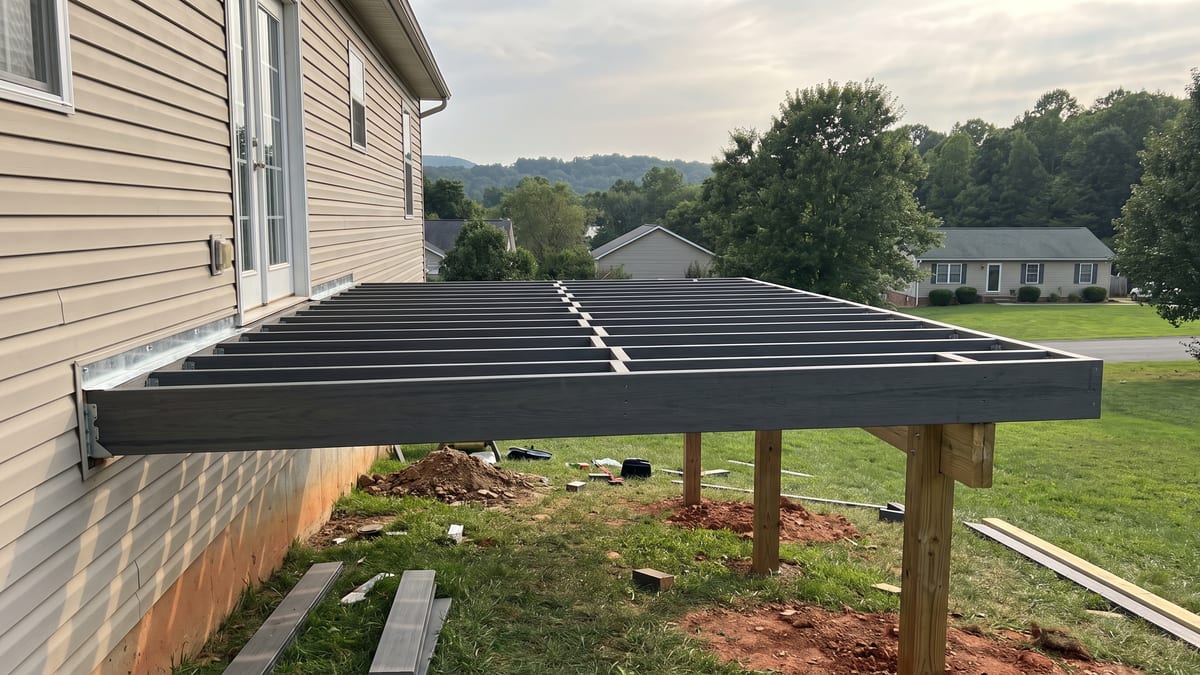
Composite structural framing
$$$Owens Corning composite lumber for your frame.
Best for Framing areas where water collects.
Benefits
- Does not rot or rust
- Can be used in framing areas that stay wet
Keep in mind
- Costs much more than wood
- Needs specialty fasteners
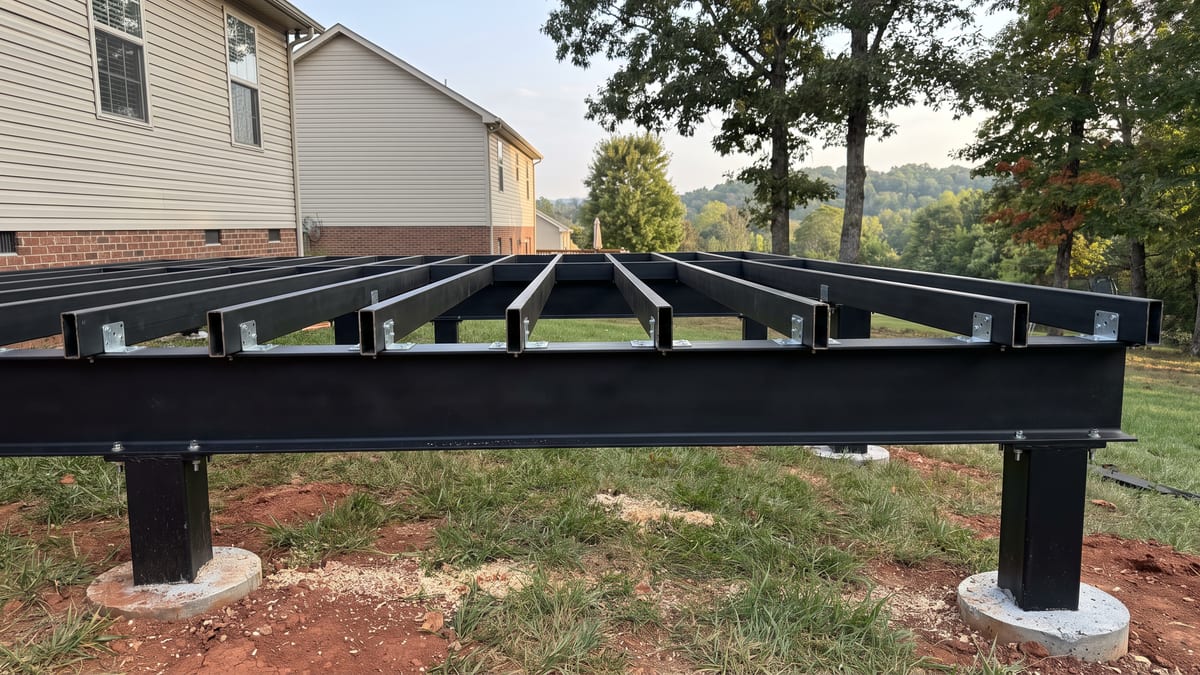
Steel
$$$A frame made from steel.
Best for A frame that resists rot and wood-boring pests.
Benefits
- Does not rot
- Resists wood-boring pests
- Does not shrink or twist
- Fire-resistant framing
Keep in mind
- Higher upfront cost
- Needs specialty connectors
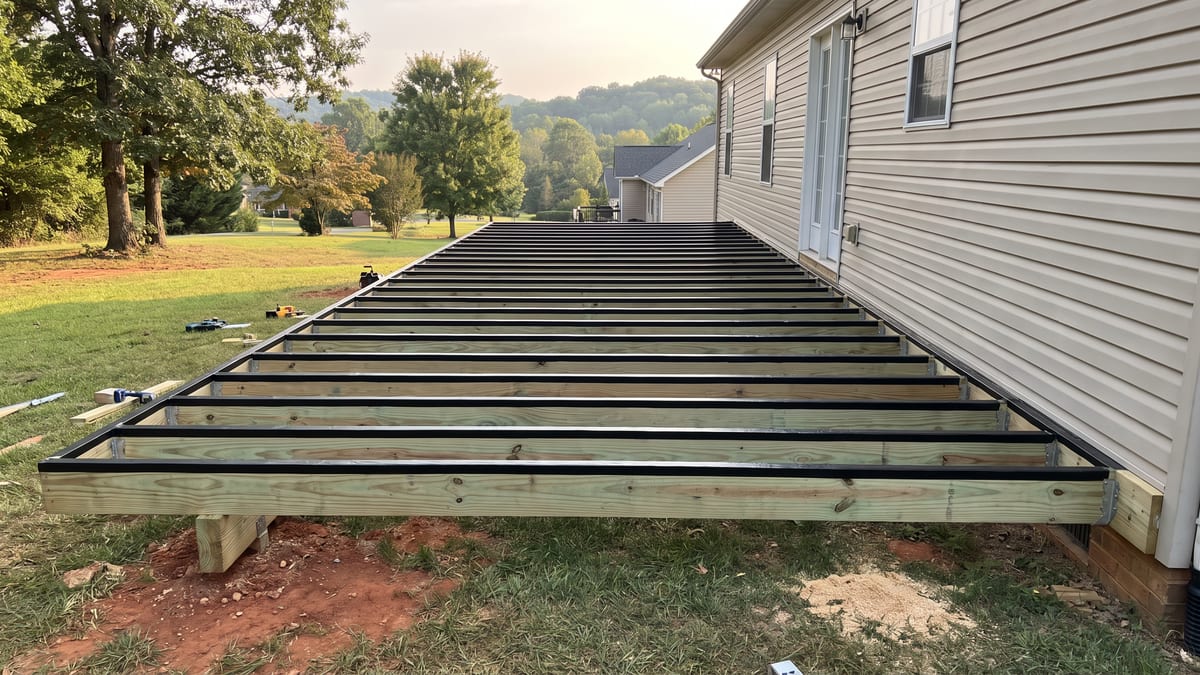
Engineered lumber joists
$$Straight joists for longer spans.
Best for A flat deck surface over a longer span.
Benefits
- Stay straight
- Can span farther than standard lumber
Keep in mind
- Cost more than standard treated lumber
- Heavy to handle
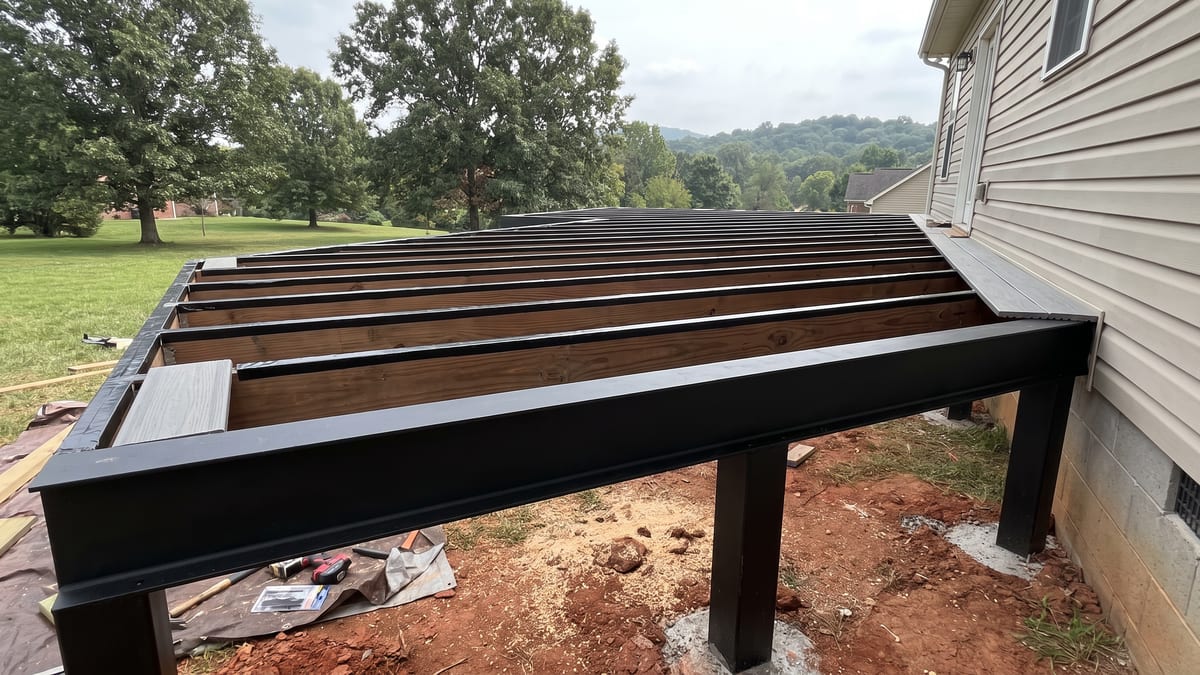
Hybrid frame
$$$A frame that combines materials.
Best for Using different materials in different parts of the frame.
Benefits
- Composite lumber can be used where water collects
- Engineered joists can provide a straight base over longer spans
- Steel can be combined with wood
Keep in mind
- Can cost more upfront than an all-wood frame
Tell us aboutyour deck.
An old deck you want gone, a porch you want screened, or a blank patch of yard: send the details and we will get you a quote.