Decking materials
Deck boards shape the look of your deck and determine how much upkeep the surface needs. Compare the materials by appearance, care and upfront cost.
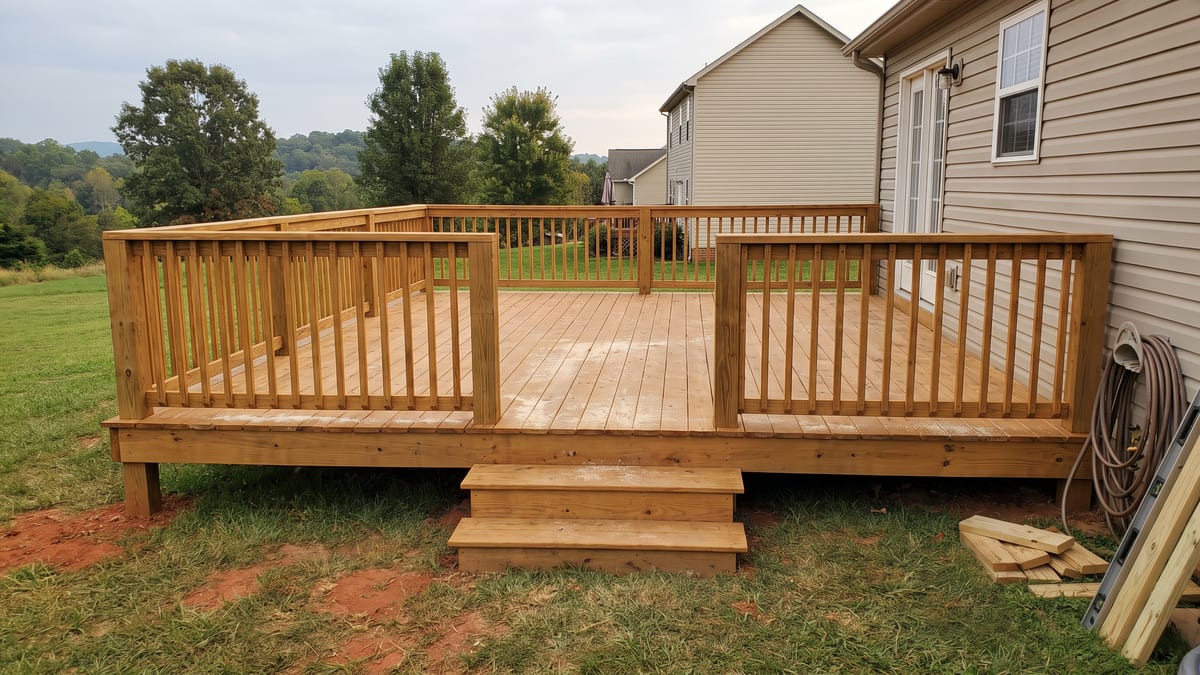
Natural wood
$Traditional wood deck boards.
Best for The look of real wood and a lower upfront cost.
Benefits
- Lowest upfront cost
- Natural wood look and feel
Keep in mind
- Needs staining and sealing
- Can rot, splinter and fade
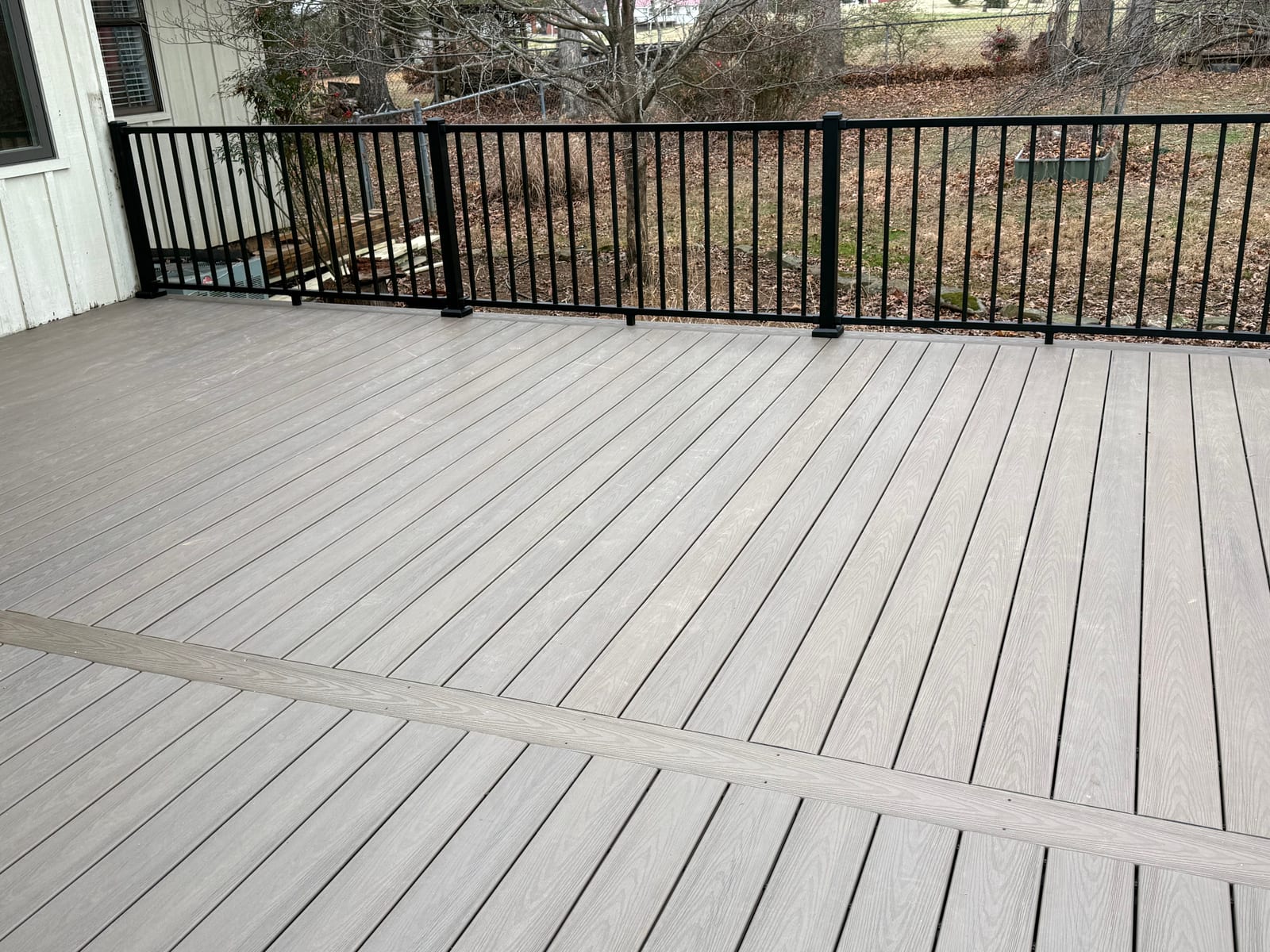
Wood-composite boards
$$Capped boards with a wood-fiber core.
Best for A composite deck without staining or sealing.
Benefits
- No staining or sealing
- Hidden fasteners can hold the main deck boards
Read moreKeep in mind
- Can fade a little more than mineral composite
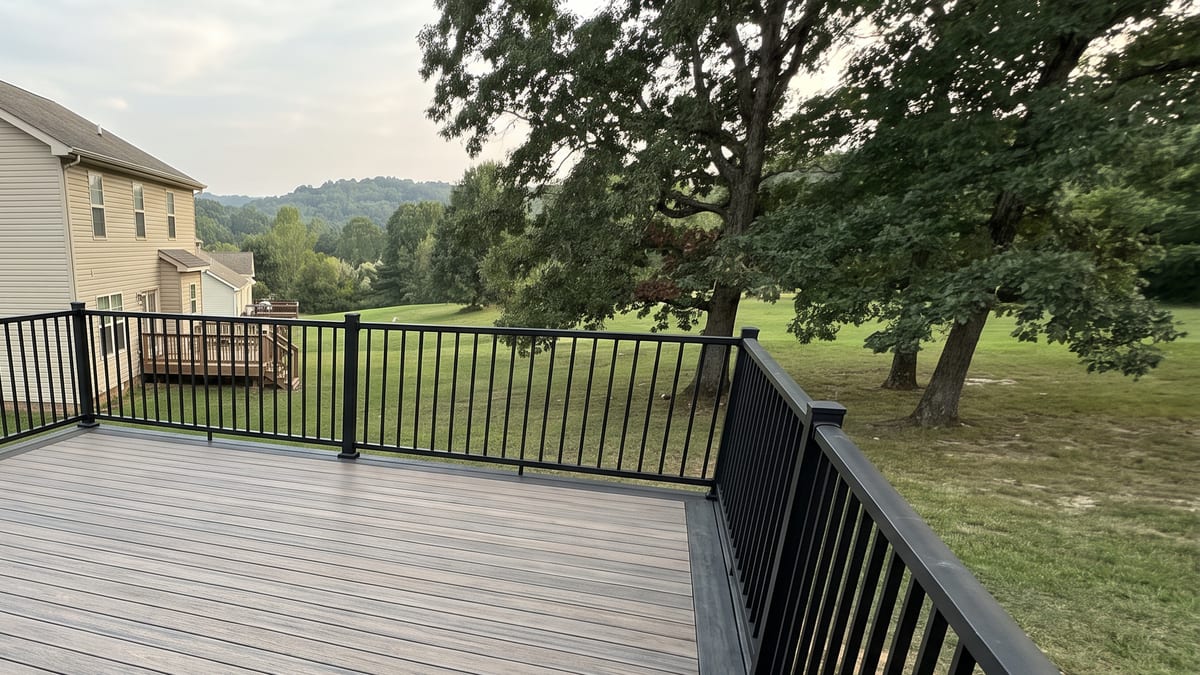
Mineral composite boards
$$$Full-faced boards with a mineral core.
Best for Good traction and a wide choice of colors.
Benefits
- Good traction
- Wide color range
Read moreKeep in mind
- Costs more than wood-composite boards
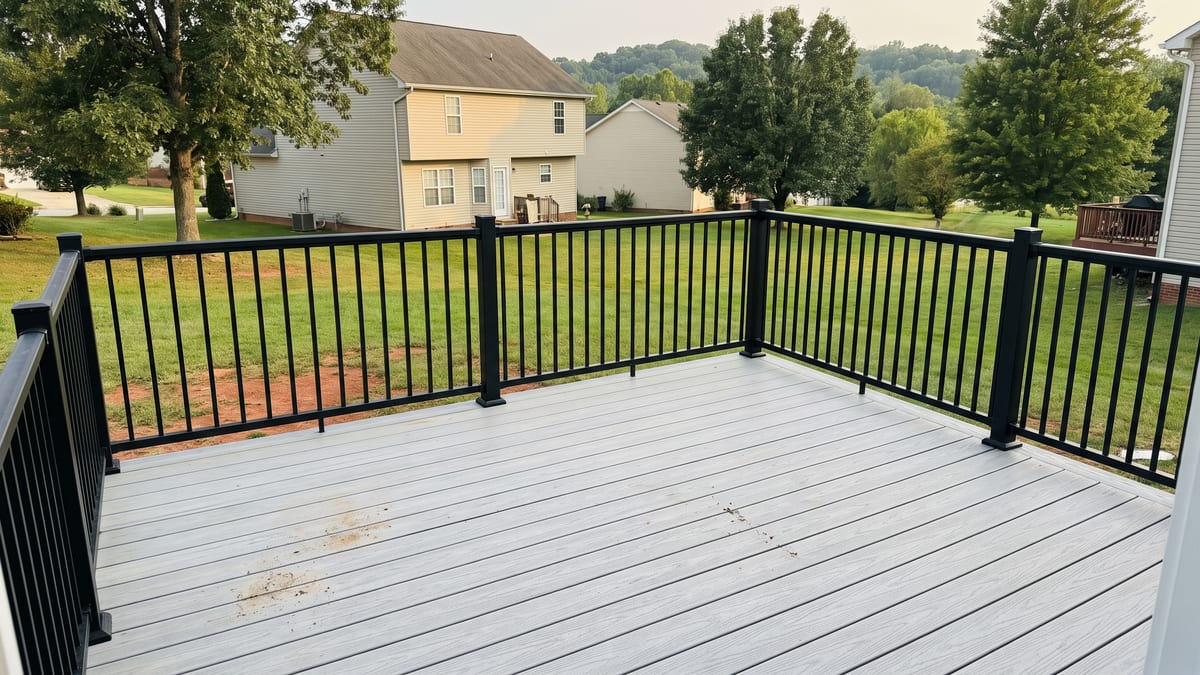
PVC boards
$$$$Deck boards made without wood fiber.
Best for A deck surface that does not absorb moisture.
Benefits
- Does not absorb moisture
- Available with a wood-grain look
Keep in mind
- Higher upfront cost
- Can feel warmer in direct sun
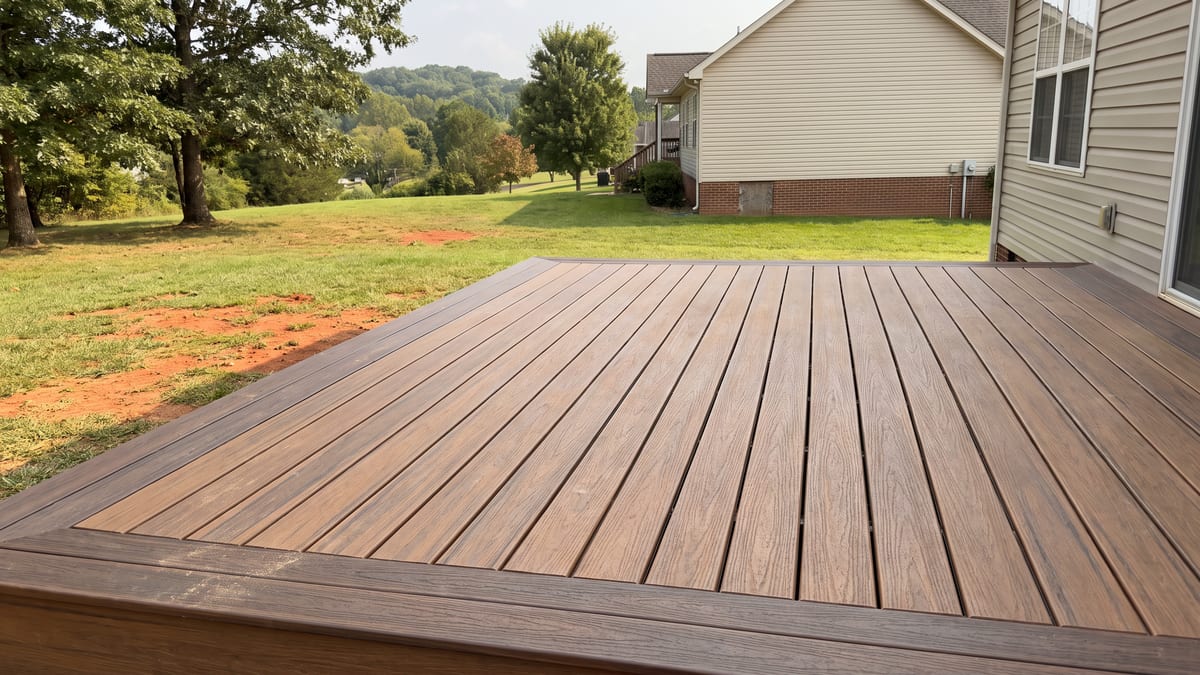
Fiberglass-reinforced PVC
$$$$Premium PVC boards reinforced with fiberglass.
Best for A highly scratch-resistant deck surface.
Benefits
- Highly scratch-resistant
Keep in mind
- Premium upfront cost
- Needs carefully planned expansion gaps
Tell us aboutyour deck.
An old deck you want gone, a porch you want screened, or a blank patch of yard: send the details and we will get you a quote.